
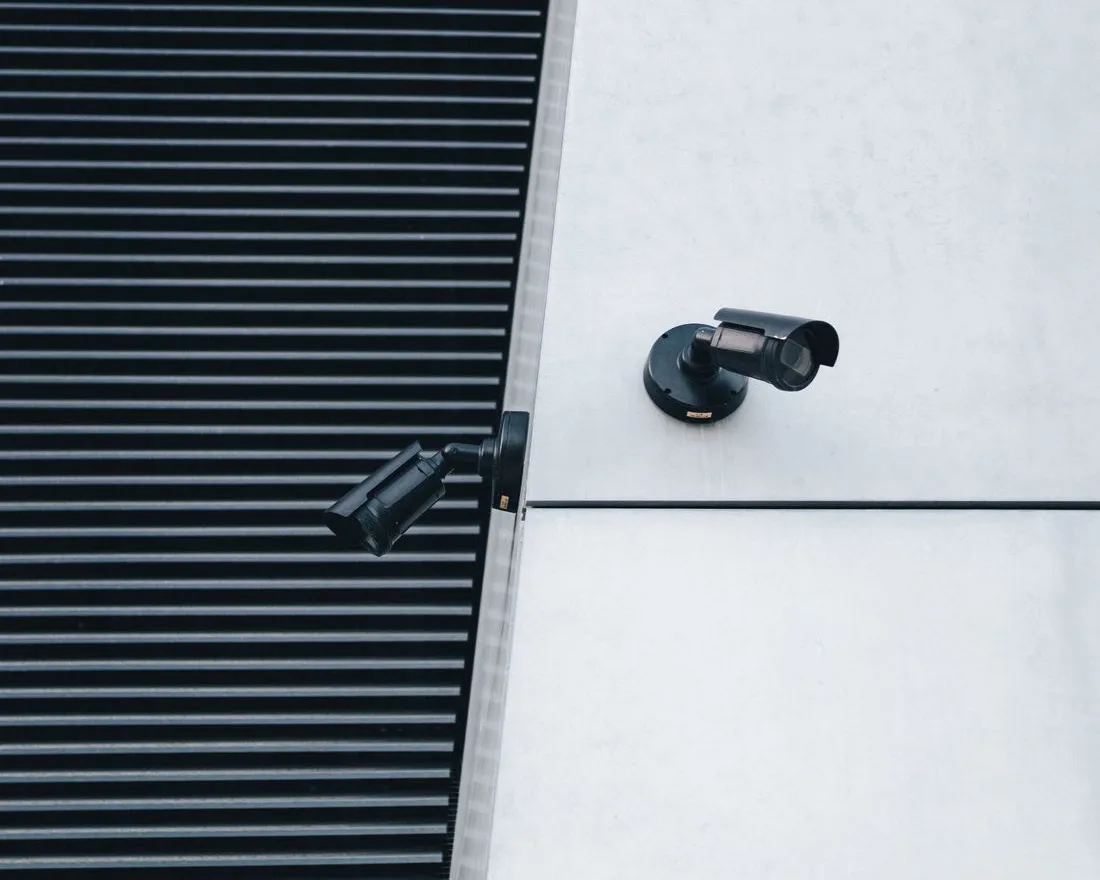
- Home CCTV is legal in the UK.
- If your cameras only cover your own property, data protection law doesn’t generally apply.
- If they capture anything beyond your boundary – a neighbour’s garden, a shared drive, the street – you take on responsibilities under UK data protection law.
The Information Commissioner’s Office (ICO) guidance on domestic CCTV is the authoritative source.
When the Law Applies
It comes down to what your cameras can see.
Only Your Property
Recording people on your own property for household purposes is generally outside data protection law.
Beyond Your Boundary
The recording is no longer purely domestic, and the UK GDPR and Data Protection Act 2018 apply to you as the person controlling the footage.
Video doorbells are the most common way this happens, because they often look straight out onto a path or the street.
Your Responsibilities If Cameras See Beyond Your Property
In summary, the ICO’s guidance says you should:
- Have a clear reason for capturing images beyond your boundary, such as protecting your front door or drive.
- Let people know recording is taking place – a sign is the usual way.
- Keep footage secure and only for as long as you need it.
- Only share footage for legitimate reasons, such as with the police.
- Respond to requests from people who ask for a copy of footage of them, or for it to be deleted.
Audio Recording
Many cameras and video doorbells can record sound, and audio tends to capture far more than video – conversations on the street or over the fence, for example. The ICO advises that recording audio is particularly intrusive.
Turning audio recording off is the simplest way to reduce the risk of a complaint.
Being a Good Neighbour
Most disputes start with a camera that appears to point at someone else’s home. It’s worth talking to neighbours before installing cameras that face their way.
- Angle CarefullyCover your own doors, windows, garden and drive.
- Mask Private AreasUse privacy masking to black out a neighbour’s windows or garden.
- Choose the Right LensPick the field of view you need, not the widest available.
Businesses Are Different
CCTV at business premises isn’t domestic, so data protection law applies from the start. Businesses using CCTV will usually need to:
- Pay the ICO data protection fee.
- Display signage telling people CCTV is in use.
- Have a policy for how long footage is kept and who it’s shared with.
- Deal with requests from people who want to see footage of themselves.
The ICO publishes separate guidance for organisations.
Designing Problems Out
Most legal and neighbourly issues can be avoided before a camera goes on the wall: the right position, the right lens, privacy masking, and audio switched off where it isn’t needed. HISO survey your property first and plan camera positions to cover what matters to you.